
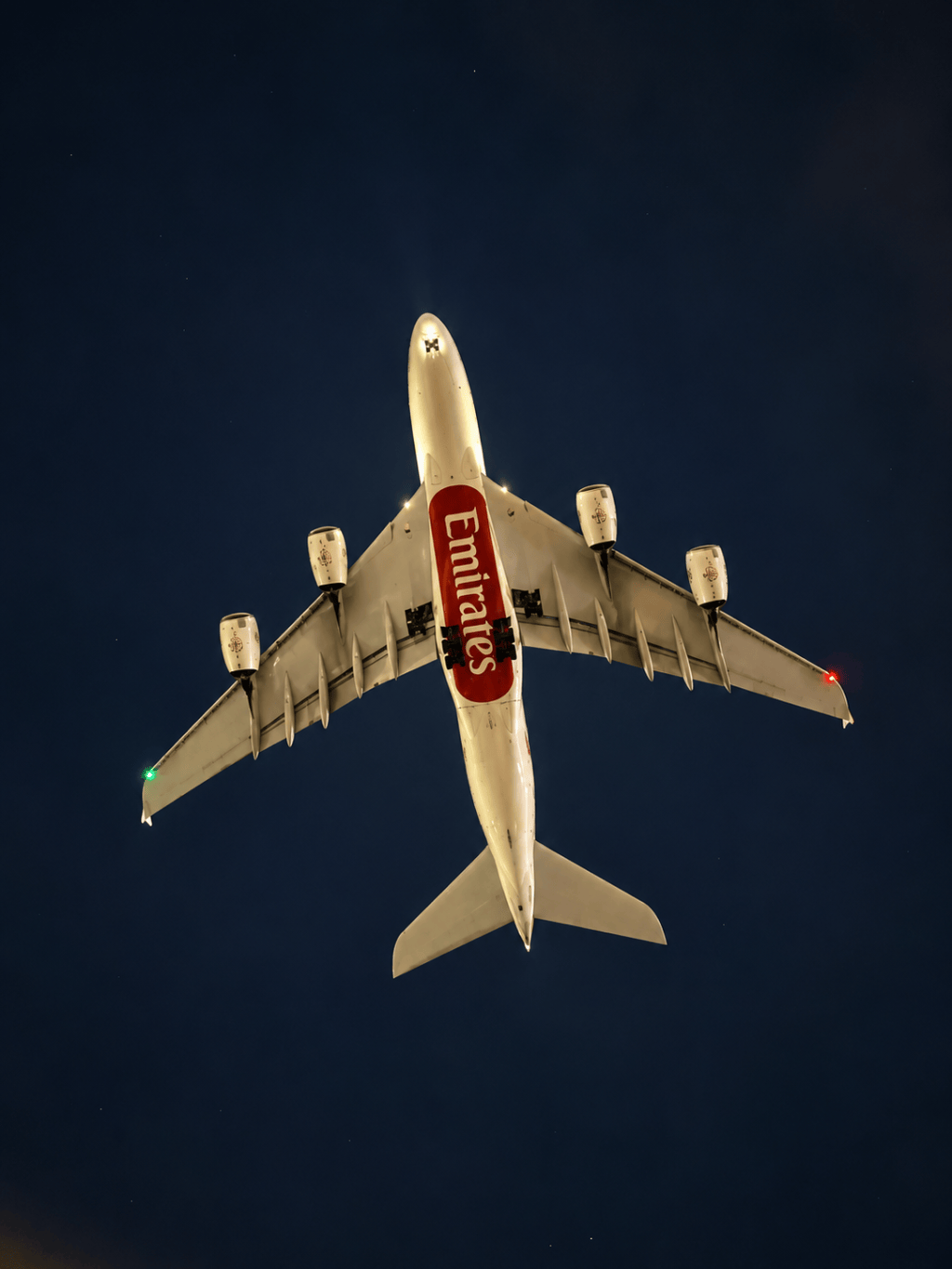
A passenger enters a country way before landing! The moment a passenger enters one of the UAE airlines, the passenger enters the UAE. Passengers can feel the luxury lifestyle of Dubai, excitement of Abu Dhabi theme parks, humbleness of Sharjah, relaxing budget-friendly Ajman, nature of RAK and Fujairah, and the mangrove beach of UAQ. UAE airlines can embed the 7 Emirates in the airline passenger experience. UAE airlines are the face of the country! We introduce new airline innovations for UAE airlines to integrate family-oriented UAE culture and heritage in the airlines’ brand identity and throughout the airline passenger experience.
“The City of Gold,” a British gentleman remarked in England in 2003 upon knowing that we were from Dubai. Similarly, an Italian artist in Venice jokingly exclaimed, “You put your finger in the ground, and oil comes out!” These encounters reflect how Dubai is often associated with luxury and wealth. However, beyond its luxurious lifestyle lies a deeper cultural identity rooted in tradition, hospitality, and a strong sense of belonging. It is time to look beyond these familiar perceptions and reconnect with the values and heritage that define the United Arab Emirates.
1. Less Crying, More Flying: A New Era of Family Travel
Trying to sleep at 40,000 feet while a kid is crying and a child is kicking the back of your seat? Meanwhile, parents are desperately struggling to stop their baby from crying in a limited space. Among Australians surveyed by Finder, 44% reported experiencing screaming children on flights, highlighting a challenge for passengers, families, and the airline passenger experience. Airline companies in the UAE could transform this stressful situation into a comfortable experience for all passengers by incorporating family cabins such as the SkyMajlis into airplane interior design.
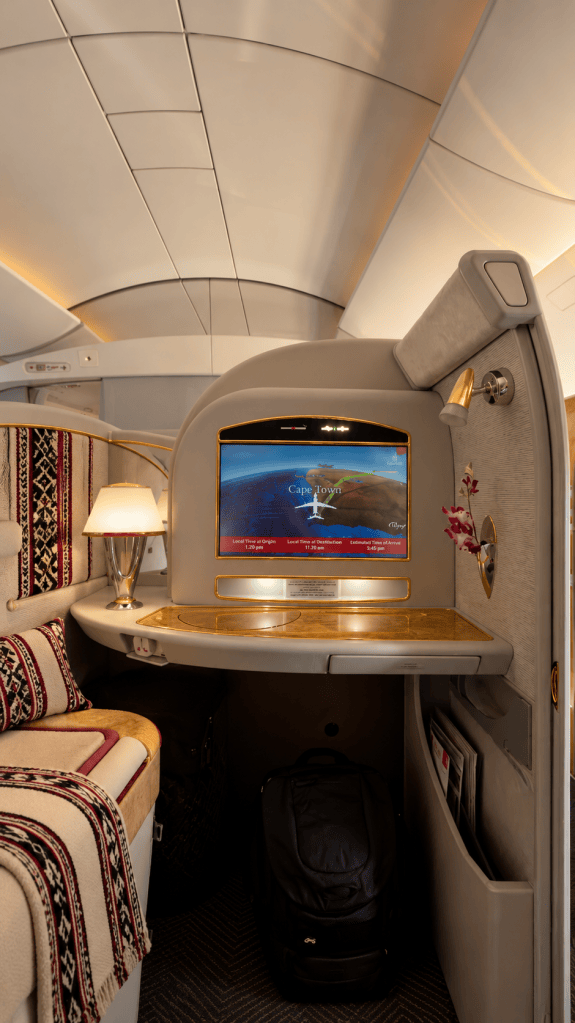
SkyMajlis could feature cosy furnishings inspired by UAE culture and heritage, as well as practical storage for strollers, toys, and infant necessities, reflecting the traditional Emirati majlis, where families congregate and bond. Through interactive play, the SkyNest activity area could introduce kids to Emirati heritage. Imagine interactive exhibits with camels, falcons, and dhow boats, as well as cushioned desert dunes and tiny forts modelled after traditional barjeel wind towers.
In addition to puzzles, board games, and family activities, SkyNest might provide bilingual storytelling about Emirati pearl divers and desert adventures. By minimising disturbances to adjacent passengers, sound-absorbing barriers could enhance the traveller experience on airlines. A multipurpose prayer area with a foldable prayer mat and Qibla indicator could meet the needs of families when aircraft space and aviation safety standards allow. Through interactive learning, a Sky Treasure Hunt could inspire kids to learn more about Emirati customs.
This airline innovation could improve airline customer service and contribute to the future of airlines by fusing family comfort, cultural experiences, and airplane interior design. Parents could feel supported, kids could enjoy the trip, and other travellers could have more enjoyable flights.
2. A personalised journey for every passenger
In the aviation industry, passengers often find air travel impersonal. They may need to reset language preferences, search for previous entertainment, or miss personalised greetings on special occasions. Improving airline passenger experience is essential for airlines and UAE airlines to increase customer satisfaction and stand out through better airline customer service.
A personalised journey for every passenger introduces smart entertainment screens that display passengers names, remembers movies watched on previous flights, save language preferences, and provide birthday or anniversary greetings. This innovation enhances the airline customer experience and supports the future of airlines through technology, personalised services and improved airline loyalty programs. It also reflects emerging airline industry trends and innovation in airplane interior design.
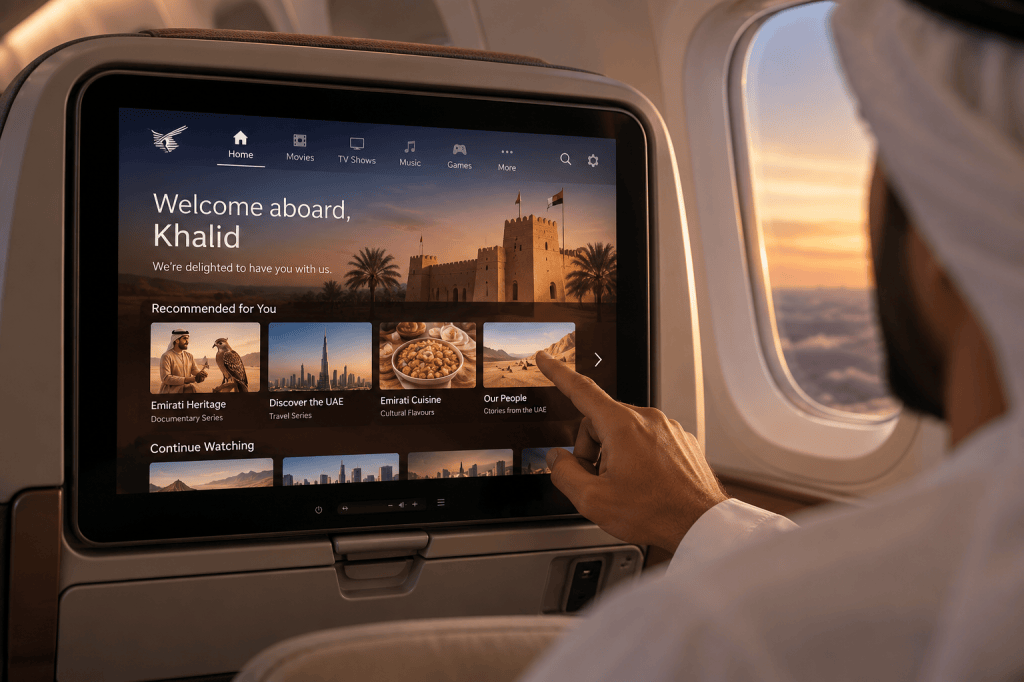
This concept is inspired by Emirates hospitality and embodies the Emirati tradition of welcoming guests with warmth and respect. Similar to how automated services are transforming customer experiences in the UAE, personalized inflight technology could make air travel more convenient and enjoyable. Personalized greetings, language options and traditional design elements within them can celebrate uae culture and heritage. This method builds airline brand reputation through contact with local customs for foreign travelers and promotion of heritage tourism.
Personalisation can increase customer satisfaction, encourage airline booking and improve passenger loyalty. By investing in airline innovation, customer service, and personalised entertainment, airline companies in the UAE can differentiate themselves from global airlines in the market. Combining technology with Emirati hospitality creates memorable journeys and strengthens the airline’s reputation for exceptional airline customer service.
3. Turning flight time into valuable time
Passengers could learn new skills or make useful business connections instead of watching movies or sleeping during a flight. UAE airlines could improve the airline passenger experience by offering activities tailored to their preferences.
Short lessons could be offered through Sky Academy on inflight entertainment screens. Passengers can develop business skills, learn Emirati phrases or explore various subjects and test their knowledge with quizzes. A digital certificate could be awarded after completing a course to motivate passengers. UAE organisations and other government entities could contribute to these lessons. This would turn airline innovation into a learning experience.
Digital Business Majlis could introduce Emirati culture through a comprehensive Emirati platform where passengers could watch inspiring videos, discover and learn about the local Emirati heritage. Educational videos may be sponsored by local companies highlighting Emirati hospitality. Designs inspired by Emirati geometric patterns would celebrate Emirati heritage and culture, while giving the airline brand identity.
Business Connections could appear as an optional feature in the airline’s app. Passengers could discover networking opportunities with other participating travellers by connecting with travellers who share similar professional interests and are travelling to the same destination. With mutual consent, they could exchange LinkedIn profiles or hide their profiles to protect their privacy. Together, these ideas could make inflight experiences more educational, culturally meaningful, and valuable for professional networking.
4. Bringing Emirati heritage to the skies
What if travelers could learn about UAE culture and heritage before arriving at their destination? While UAE airlines link passengers from all over the world, their cabins offer opportunities to create a more distinctive cultural experience, particularly for families hoping to introduce younger generations to Emirati traditions. Rather than relying solely on conventional inflight amenities, airlines could integrate Emirati customs into regular customer interactions, turning travel into an introduction to the country’s cultural identity.
Introducing Emirati-inspired onboard meals that reimagine traditional flavors via modern dining is one suggested innovation. Additionally, airlines might celebrate regional craftsmanship via practical design by incorporating Al Sadu-inspired patterns into amenity kits and cabin details. Collaborating with Emirati small businesses and artisans could further strengthen this idea by showcasing locally made products and sharing the stories behind them. Through cuisine, decor, and storytelling, these enhancements bring Emirati heritage into the cabin, allowing children to discover familiar traditions in new ways while introducing international travellers to Emirati culture.
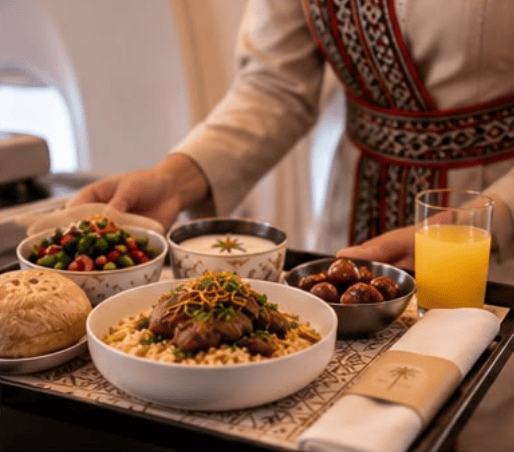
The flying majlis, a contemporary take on traditional Emirati hospitality, offers another opportunity. Rather than physically recreating a majlis onboard, airlines could embody its principles of generosity and connection through welcoming service, culturally inspired refreshments and brief cultural elements within inflight entertainment. Airlines could differentiate their brands, improve customer service, and assist regional creative enterprises by incorporating these components into the airline passenger experience. More importantly, these initiatives would make cultural representation a meaningful part of the traveler experience, leaving a lasting impact that goes beyond the actual flight.
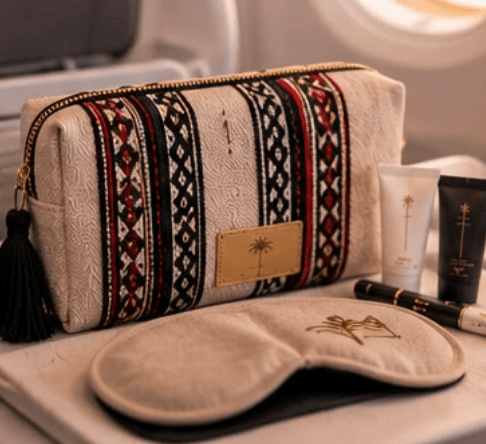
The Future of Flying: Rooted in Emirati Heritage
UAE airlines have a chance to set themselves apart in the fiercely competitive aviation sector by fusing contemporary technology with UAE culture and heritage. Airlines could create a unique brand identity that transcends comfort and convenience by incorporating personalised services, meaningful in-flight activities, and traditional Emirati hospitality. These innovations have the potential to enhance the airline passenger experience and create memorable travel experiences that embody the cultural values of the United Arab Emirates.
Before travellers ever arrive at their destination, airline innovation may bring them closer to Emirati heritage with customised entertainment, educational opportunities, and culturally inspired onboard services. Airlines might improve their reputation and provide experiences that are difficult for foreign rivals to match by incorporating cultural identity into their services rather than treating it as a decorative element. As the future of airlines continues to evolve, could Emirati heritage become the defining experience that passengers remember long after landing?
Which of these innovative airline experiences would you love to see on your next flight? Share your thoughts in the comments below! For more creative ideas exploring UAE culture, heritage, and innovation, subscribe to our blog so you never miss an update.


Leave a Reply